Buying an Older Home? Get the Drains Checked First
Buying an older home in Melbourne? Get the drains checked before you sign or bid. A pre-purchase plumbing inspection looks at the parts of a house that a standard building inspection usually leaves out: the sewer line, the water supply pipes, the hot water system and the fittings inside. Drain and pipe problems are hidden underground, and they are expensive to fix once the house is yours.
In short
- Most building inspections follow AS 4349.1, which does not cover concealed plumbing.
- A pre-purchase plumbing inspection checks the sewer with a CCTV camera, plus pipes, pressure and hot water.
- At auction in Victoria there is no cooling-off period, so book the inspection before auction day.
- Period homes with clay sewer pipes and big trees need it most.
Building Inspection vs Plumbing Inspection
Most pre-purchase building inspections in Australia follow the Australian Standard AS 4349.1. That standard is a visual inspection, and it lists concealed plumbing among the things an inspector does not have to inspect. When an inspector sees signs of a problem, the standard expects them to recommend a specialist, and a plumber is one of the specialists it names.
The Section 32 vendor statement won’t fill the gap either. It tells you which services, such as water and sewerage, are connected to the property. It doesn’t tell you what condition the pipes are in.
Swipe the table to see more →
| What gets checked | Building inspection (AS 4349.1) | Pre-purchase plumbing inspection |
|---|---|---|
| Visible taps, toilets and showers | Visual only | Checked and tested |
| Pipes hidden in walls and floors | Not required | Pressure and meter tests |
| Underground sewer line | Not required | CCTV camera |
| Water supply pipe material | Visible parts only | Checked |
| Hot water system condition | Visual only | Checked |
| Hidden leak test at the water meter | Not required | Checked |
What a Pre-Purchase Plumbing Inspection Checks
Sewer and Drains
A CCTV drain camera is run through the sewer line to look for cracked or broken pipe, sagging sections, displaced joints and roots. Older homes with earthenware (clay) sewer pipes are the main concern, because roots get in at the joints. Our guide to tree roots in sewer pipes explains who pays when roots are found and where your pipe ends and the water retailer’s begins.
The plumber should also check that the overflow relief gully outside is at the right height and not damaged, since that is where sewage escapes if the line blocks.
Water Supply Pipes
The plumber checks what the water pipes are made of and what state they are in. Galvanised steel pipe, common in homes built before the 1980s, corrodes from the inside and causes low water pressure long before it starts to leak.
A meter test shows whether there is a hidden leak: with every tap off, the water meter should not move. If it does, leak detection can find where the water is going. While at the meter, check it is in good condition and protected. Some properties have a water meter cage to stop theft and damage. In parts of Melbourne’s west, reactive clay soil also puts extra strain on buried pipes, which our guide on why pipes burst in hot, dry weather covers in detail.
Hot Water System
The plumber looks at the type and age of the hot water system, usually from the label on the unit, and checks for leaks, rust and a dripping relief valve. A system near the end of its life is something to factor into your offer.
Taps, Toilets and Showers
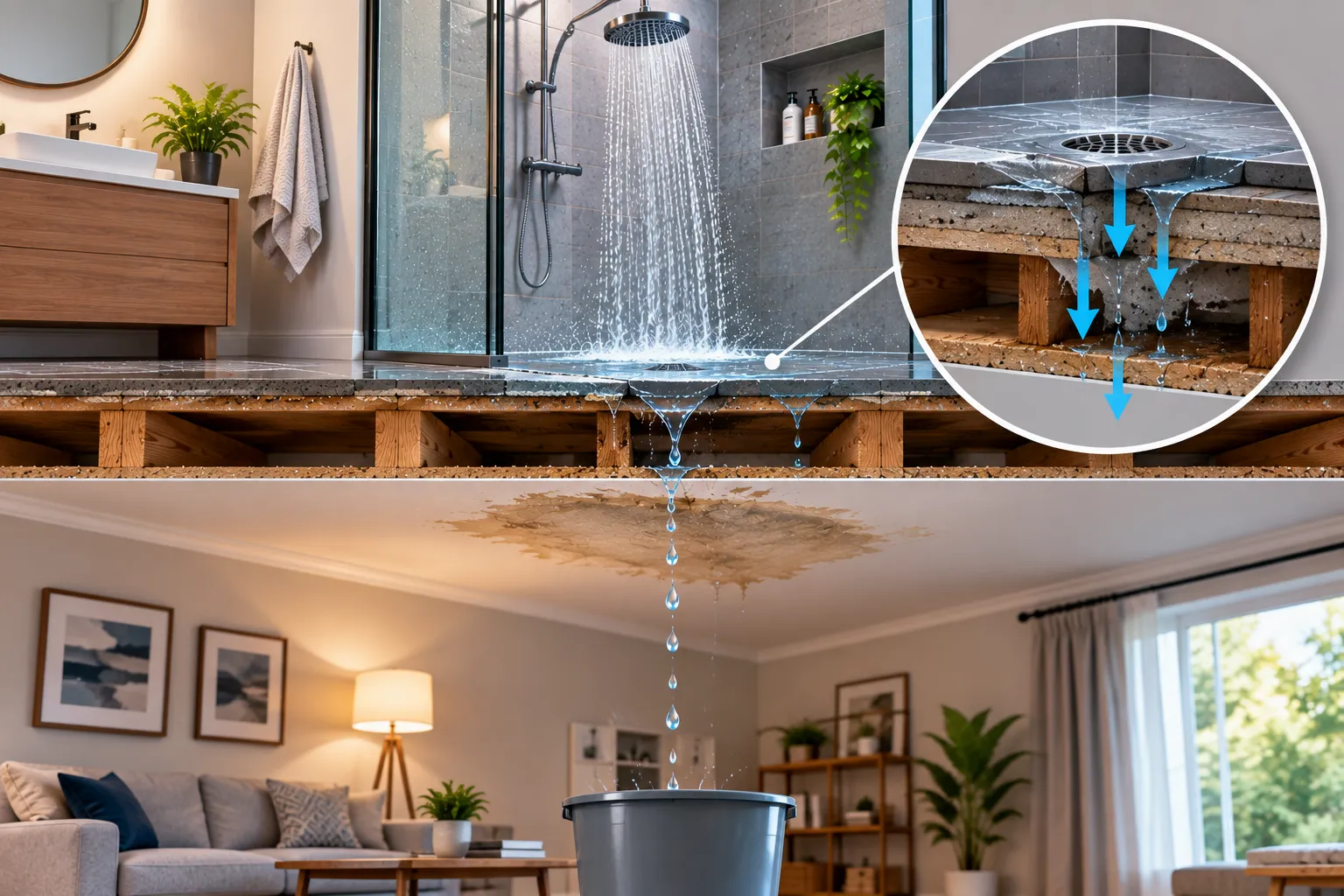
Dripping taps, running toilets and slow drains are easy to spot and usually simple to fix. A shower that leaks into the wall or the room below is more serious, and our guide to why a shower leaks into the room below explains what to look for.
Gas Appliances
If the home has gas hot water, heating or cooking, ask for a licensed gasfitter to check the appliances and look for leaks. Our page on gas leak warning signs lists what to watch for.
Which Melbourne Homes Need One Most
Every home benefits from a check, but the focus changes with the age and type of home.
Clay sewer pipes and big trees
Common in Kew, Camberwell, Malvern and Toorak.
Focus: CCTV inspection of the full sewer line.
Corroded galvanised water pipes
Common in Hoppers Crossing.
Focus: water pressure, pipe material and a meter test.
Fittings disturbed by settling ground
Common in Tarneit and Point Cook.
Focus: meter test and any damp ground over the pipes.
Leaking showers and shared pipes
Focus: wet area leaks, and which pipes are common property.
When to Book It
Timing matters most at auction. In Victoria there is no cooling-off period when you buy at auction, so any inspection has to happen before auction day. Spring is the busiest time for auctions in Melbourne, so book as soon as you are serious about a property.
Buying at auction
- Ask the agent for access during the campaign.
- Book the plumbing inspection at least a few days before auction.
- Use the report to set your limit before you bid.
Buying by private sale
- Ask your conveyancer to make the offer subject to a satisfactory plumbing inspection.
- Book the inspection as soon as the offer is accepted.
- Negotiate or withdraw based on the report, within the contract terms.
Documents Worth Asking For
A few documents can tell you a lot before the plumber arrives:
- A property sewerage plan from the water retailer, showing where the private sewer pipes run. Yarra Valley Water sells these through its water and sewerage plans page, and Greater Western Water and South East Water offer similar plans.
- Plumbing and gasfitting compliance certificates for any recent work, such as a new hot water system or bathroom renovation.
- The Section 32 vendor statement, to confirm which services are connected.
Talk to a Licensed Plumber in Melbourne
If you’re dealing with a plumbing emergency right now, don’t wait. Call Plumb Construct’s emergency plumber Melbourne team immediately.
📞 0424 932 737
📧 [email protected]
📍 Melbourne, VIC
📩 Request a Quote: Contact Page
Related Plumbing Services
Frequently Asked Questions About Pre-Purchase Plumbing Inspections
Does a building inspection include plumbing?
Only what an inspector can see. Most building inspections follow AS 4349.1, which does not require an inspector to check concealed plumbing, so the sewer line and buried water pipes are usually not covered.
What does a pre-purchase plumbing inspection include?
It usually covers a CCTV camera inspection of the sewer, a check of the water supply pipes and water pressure, a meter test for hidden leaks, and a look at the hot water system, taps, toilets and showers.
Can I get a plumbing inspection before an auction?
Yes, and you should, because there is no cooling-off period for auction purchases in Victoria. Ask the agent for access during the campaign and book early.
Who pays if the inspection finds tree roots in the sewer?
Before you buy, nobody has to fix anything, but the report gives you a reason to negotiate. After settlement, roots on the private side of the connection point are the owner’s responsibility.
Do newer homes need a plumbing inspection?
They carry less risk, but settling ground and landscaping can still damage pipes. A meter test and a quick check of the hot water system and wet areas is worthwhile for any home.
Explore More
- All Posts
- Business & Specialty
- Costs & Guides
- Emergencies
- Fixes & Repairs
- public