Low Water Pressure in Your Home? Common Causes and Warning Signs Explained
Table of Contents
What Causes Low Water Pressure in a House?
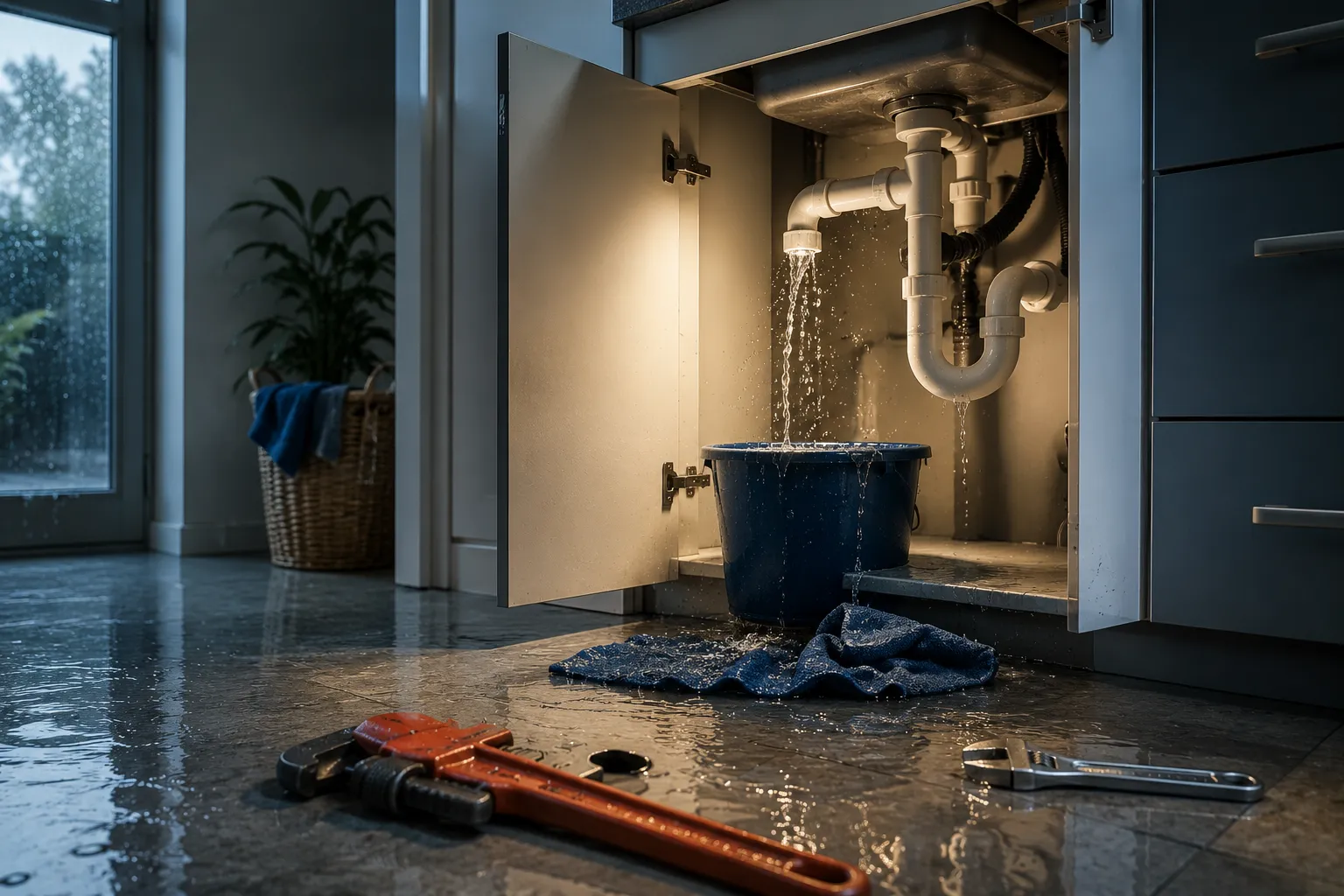
Low water pressure can develop for several reasons, ranging from a simple blocked aerator to a more serious issue inside your pipework. The most frequent causes our Melbourne plumbers see include:
- Mineral and sediment build-up inside ageing pipes
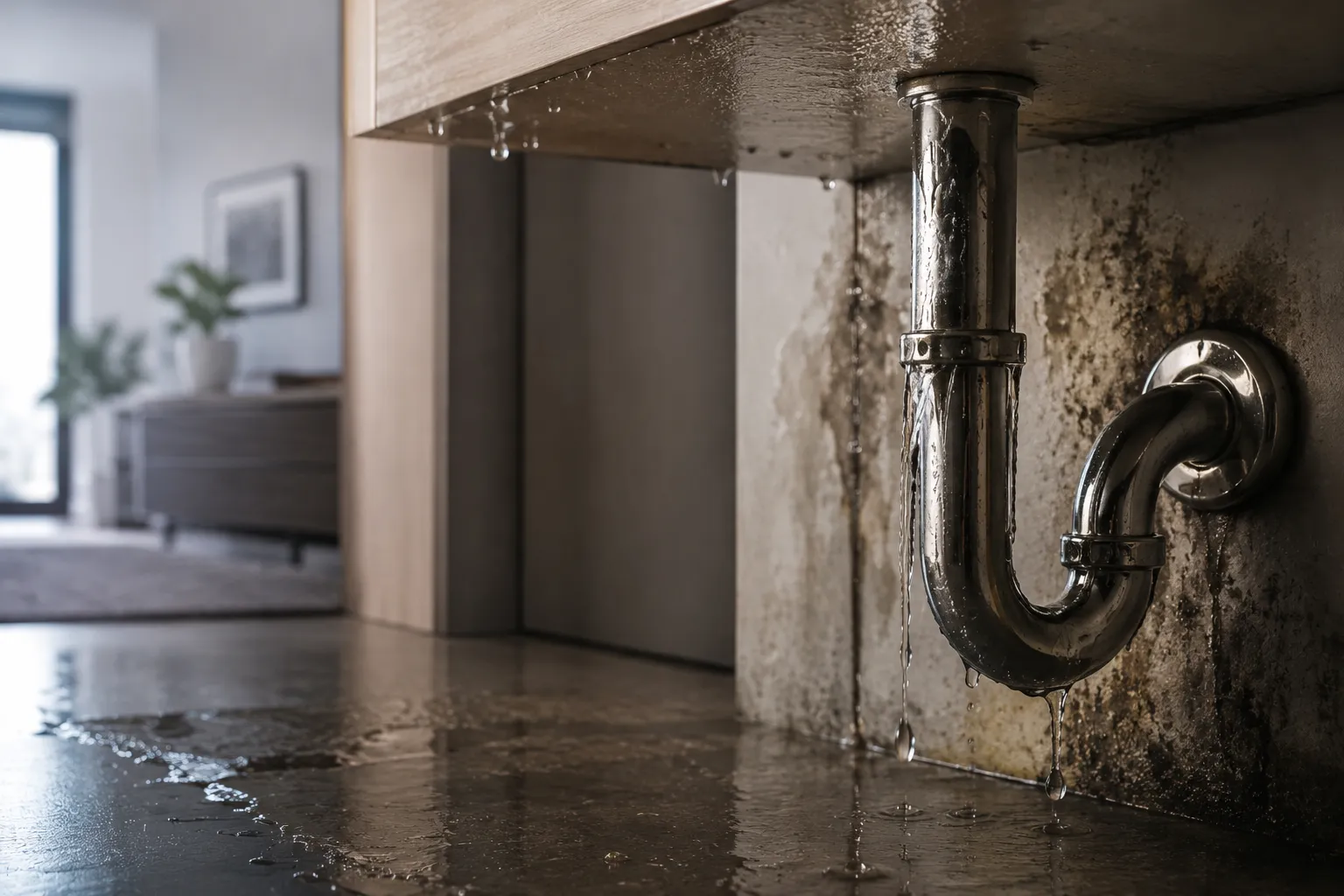
- Hidden leaks within walls, floors, or underground pipework
- Corroded or deteriorating plumbing pipes
- A faulty pressure-reducing valve
- A partially closed isolation valve
- Blocked tap aerators or showerheads
- Municipal water supply issues in your local area
Water Pressure Problems — See how Plumb Construct diagnoses and repairs water pressure issues across Melbourne homes and businesses.
Faulty Pressure-Reducing Valves
Most homes have a pressure-reducing valve that regulates incoming water pressure. When this valve fails, it can either restrict flow too much or fail to regulate it correctly, causing inconsistent or low pressure throughout the house.
Low Water Pressure in the Shower: What It Means
If it’s only your shower affected rather than the whole house, the cause is often more localised:
- A clogged showerhead full of mineral deposits
- A faulty mixer valve or cartridge
- A kinked or damaged shower hose
- Reduced hot water pressure specifically (see below)
How to Tell if It's the Showerhead or the System
A quick way to check: turn on a cold tap elsewhere in the house at the same time. If pressure drops there too, the issue is system-wide. If it’s only the shower, the fault is more likely local to that fixture and can sometimes be a faster, cheaper fix.
Low Hot Water Pressure: Why Your Hot Water Heater Pressure Drops
Low hot water pressure specifically while cold water flows normally usually points to an issue with your hot water system rather than your main water supply.
Sediment Build-Up Inside the Hot Water Heater
Over time, sediment settles at the bottom of a hot water tank, restricting outflow and reducing the pressure of hot water reaching your taps and shower.
A Faulty or Undersized Hot Water System
An ageing or undersized hot water heater can struggle to maintain pressure, especially during peak usage when multiple hot water outlets are used at once.
Blocked or Narrowed Hot Water Pipes
Corrosion or mineral scale inside the pipes feeding hot water specifically can cause low hot water pressure even when your home’s cold water pressure is fine.
Warning Signs You May Have a Water Pressure Problem
Water pressure issues often build up gradually, so it’s easy to miss them until they start affecting everyday tasks. Watch for:
- Weak water flow from taps and showers
- Difficulty running multiple fixtures at once
- Slow-filling baths, sinks, or washing machines
- Inconsistent pressure throughout the day
- Reduced hot water performance specifically
- Sudden, unexplained drops in pressure
- Unusually high water bills (a sign of a hidden leak)
When to Call a Plumber About Low Water Pressure
Signs It Needs a Professional
If low water pressure affects multiple fixtures, develops suddenly, or persists despite basic troubleshooting like cleaning an aerator, it’s time to call a licensed plumber for a full inspection rather than guessing at the cause.
What a Professional Inspection Involves
A qualified Melbourne plumber will test water pressure at multiple points in your home, inspect pipework condition, check for hidden leaks using leak detection equipment, and assess your pressure-reducing valve and hot water system. This pinpoints the exact cause instead of treating symptoms.
How Plumb Construct Diagnoses Water Pressure Problems
At Plumb Construct, we provide complete water pressure diagnostics and repairs for homes across Melbourne. Our licensed plumbers identify whether the cause is a blocked pipe, hidden leak, faulty valve or an issue with your hot water system, then carry out a long-term repair rather than a temporary patch.
What that involves on site:
- Pressure testing at multiple points to establish whether the problem is system-wide or local
- Inspection of pipework condition, including corrosion and internal scale
- Leak detection where a hidden leak is suspected
- Assessment of the pressure-reducing valve and its setting
- Hot water system checks where only hot water is affected
- An upfront quote before any repair work begins
Where We Work Across Melbourne
Water pressure problems look different depending on the age and type of property, and our suburb pages set out what we see most often in each area.
- Malvern and Elsternwick — period homes where original galvanised pipework has narrowed internally.
- South Yarra and Collingwood — apartments and converted buildings where pressure varies between floors.
- Brighton — coastal properties where corrosion affects fittings sooner.
- Tarneit — newer estates where pressure issues usually trace back to valve settings rather than wear.
If your suburb is not listed, we still cover it. Call and we will confirm availability for your address.
Get Your Water Pressure Fixed Today
If you’re dealing with low water pressure, weak hot water flow, or unexplained pressure drops anywhere in your Melbourne home, the team at Plumb Construct is ready to help.
📞 0424 932 737
📧 [email protected]
📍 Melbourne, VIC
📩 Request a Quote: Contact Page
Related Plumbing Services
If you’re dealing with low water pressure, the issue is often connected to one of these related problems. Explore our other Melbourne plumbing services below:
- Leaking Taps & Pipes — Hidden leaks are one of the most common causes of low water pressure. If you suspect a leak, our plumbers can locate and repair it fast.
- Hot Water Systems — If it’s specifically your hot water pressure that’s low, sediment build-up or an ageing system could be the cause.
- Burst Pipe Repairs — Sudden, severe pressure drops can sometimes indicate a burst or fractured pipe requiring emergency attention.
- Pipe Relining — For corroded or damaged underground pipes restricting flow, no-dig pipe relining restores full pressure without excavation.
Frequently Asked Questions About Low Water Pressure
What is the most common cause of low water pressure?
Mineral and sediment build-up inside ageing pipes is one of the most common causes, alongside hidden leaks and faulty pressure-reducing valves.
Can a plumbing leak cause low water pressure?
Yes. A hidden leak diverts water away from your taps before it reaches them, which reduces the pressure you feel at fixtures even though water is still entering the property normally.
Is low water pressure a sign of old pipes?
It can be. Ageing or corroded pipes gradually narrow internally due to rust and mineral scale, restricting flow over time — common in older Melbourne homes.
Can low water pressure affect household appliances?
Yes. Dishwashers, washing machines, and hot water systems rely on adequate pressure to run efficiently, and low pressure can increase operating times and strain internal components.
When should I call a plumber for low water pressure?
If low water pressure affects multiple fixtures, develops suddenly, or continues despite basic troubleshooting, it’s best to contact a professional plumber for a full inspection.
Explore More
- All Posts
- Business & Specialty
- Costs & Guides
- Emergencies
- Fixes & Repairs
- public